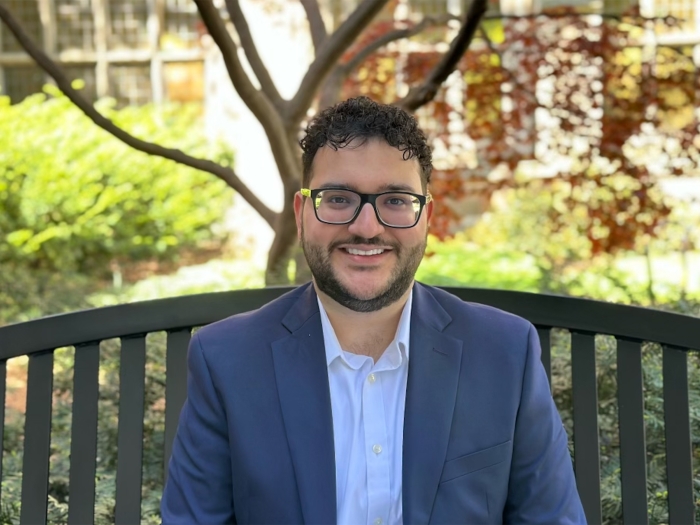
John K Fink M.D.


Professor
Department of Neurology
5214 Cancer Center Geriatric Center Building (CCGCB) 0940
Ann Arbor, MI 48109
jkfink@umich.edu
 
Download this page
 

Our laboratory investigates the molecular basis of inherited neurologic and psychiatric disorders. We use molecular genetic methods to genetically map, positionally clone, and analyze the functions of genes responsible for these conditions. We create animal models in which to study the pathophysiology and develop treatments for these disorders.

We identified genetic loci for three forms of the inherited spinal cord disorder, hereditary spastic paraplegia (HSP). Individuals with HSP develop disabling spastic weakness in their legs. We also discovered genetic loci for an episodic movement disorder (paroxysmal dystonic choreoathetosis, PDC), and X-linked mental retardation/epilepsy.

Recently, we discovered the causes of two forms of HSP (SPG3A/atlastin and SPG6/NIPA1 gene mutations cause SPG3A and SPG6 HSP, respectively). These discoveries have been translated into clinically available diagnostic tests for these conditions. We are studying the functions of these and other HSP proteins by identifying factors with which they interact; and by developing animal models through targeted mutation of HSP genes. Recently, we also discovered the cause of an episodic movement disorder by showing that myofibrilogenesis regulator 1 (MR1) gene mutations cause PDC. Work is underway to learn the mechanisms by which MR1 gene mutations cause episodic involuntary movements.

In a separate project, we are investigating the developmental regulation of neuronal cytoskeleton. We cloned and sequenced the human microtubule associated protein 1a (MAP1a) gene. MAPs regulate microtubule stability and are therefore important factors governing the balance between neuronal rigidity and plasticity. MAP1a causes microtubules to be more stable and thus stabilize axonal shape. MAPs are under strict developmental regulation. Using transgenic mice, we are identifying the genetic regulatory elements of MAP1a in order to analyze the molecular genetic cascade that regulates microtubule stability.

Zhao X, Alvarado, D, Rainier S, Lemons R, Hedera P, Weber C, Tukel T, Apakl M, Heiman-Patterson T, Ming L, Bui M, Fink JK. Mutations in a novel GTPase cause autosomal dominant hereditary spastic paraplegia. Nature Genetics, 2001;29:326-331.

Rainier S, Chai J-H, Tokarz D, Nicholls RD, Fink JK. NIPA1 gene mutations cause autosomal dominant hereditary spastic paraplegia (SPG6). Am J Hum Genet 2003;73:967-971.

Rainier S, Thomas D, Tokarz D, Ming L, Bui M, Plein E, Zhao X, Lemons R, Delaney C, Alvarado A, Fink JK. Myofibrillogenesis regulator 1 (MR-1) gene mutations cause paroxysmal dystonic choreoathetosis. Archives of Neurology 2004;61:1025-1029

Hedera P, Alvarado A, Beydoun A, Fink JK. Novel mental retardation-epilepsy syndrome linked to Xp21.1-p11.4. Annals of Neurology, 2002;51:45-50

Hedera P, Rainier S, Alvarado D, Zhao X, Williamson J, Otterud B, Leppert M, Fink, JK. Novel locus for autosomal dominant hereditary spastic paraplegia on chromosome 8q. Am J Hum Genet, 1999;64:563-569.

Fink JK, Heiman-Patterson T. et al. Hereditary Spastic Paraplegia: Advances in Genetic Research Neurology, 1996;46:1507-1514.

Hedera P, Alvarado A, Beydoun A, Fink JK. Novel mental retardation-epilepsy syndrome linked to Xp21.1-p11.4 Annals of Neurology, 2001;51:45-50

Fink JK, Rainier S, Wilkowski J, Jones SM, et al. Paroxysmal dystonic choreoathetosis: tight linkage to chromosome. 2q. Am J Hum Genet, 1996;59:140-145

Fink JK, Wu C-T B, Jones SM, Sharp GB, et al. Autosomal dominant, familial spastic paraplegia: tight linkage to chromosome 15q. Am J Hum Genet, 1995;56:188-192

Find more publications by Dr.John Fink

Last updated 2/4/2005 Click here to update
JavaScript DHTML Menu Powered by Milonic